
Fasting (Vrat / Upvasa) and Its Benefits: A Nutritional Perspective
In Indian culture, fasting (or “Vrat” / “Upvasa”) is not just a spiritual or religious practice but also an ancient method for improving health and well-being. For generations, families have observed fasting rituals during festivals like Navratri, especially to honor Goddess Durga. Personally, my experience with fasting started from an early age, as I used to follow the fasting rituals during Navratri alongside my father, who has been a devoted practitioner of fasting throughout his life. Watching him fast and seeing the spiritual significance of the practice, I became increasingly curious about the connection between fasting and physical health. As an adult, I have come to realize the importance of fasting rituals and their connection to both spiritual and physical well-being.
While fasting is deeply rooted in cultural traditions, I’ve also come to appreciate its health benefits. From a nutritional perspective, fasting or Upvasa is not just about abstaining from food but also about giving your body the necessary break it needs to detox and rejuvenate. It is believed that fasting helps in resetting the body, giving it time to repair itself, and kickstarting the metabolism. As a nutrition expert, I believe that fasting, when done correctly, can offer significant health benefits, including weight loss, better digestion, and enhanced immunity. However, it is important to remember that fasting should be done under expert guidance to ensure it is performed safely and effectively.
Table of Contents
- Introduction to Fasting and Upvasa
- Cultural Significance of Fasting in India
- Understanding the Detoxification Process
- Health Benefits of Fasting (Vrat)
- 4.1 Kickstarting Your Metabolism
- 4.2 Weight Loss and Improved Digestion
- 4.3 Boosting Immunity and Energy Levels
- Fasting and Detox: A Holistic Approach
- Types of Fasting Rituals in India
- 6.1 Navratri Fasting
- 6.2 Ekadashi Fasting
- 6.3 Other Popular Fasting Practices
- My Take on Fasting: A Healthy Metabolism Boost
- How to Perform Fasting Safely
- 8.1 Pro Tip for Weight Loss: Once-a-Week Break
- 8.2 Precautions to Take While Fasting
- When Should You Avoid Fasting?
- Consulting a Nutritional Expert for Fasting
- Conclusion
1. Introduction to Fasting and Upvasa
Fasting, or “Upvasa” as it is called in many parts of India, is a practice that involves refraining from food or specific types of food for a designated period. It is commonly associated with religious observances, but over time, it has gained attention for its potential health benefits. Fasting is believed to detoxify the body, improve digestive health, boost metabolism, and help with weight loss. While the tradition of fasting is centuries old, the scientific community is increasingly acknowledging its role in promoting health.
2. Cultural Significance of Fasting in India
In Indian culture, fasting holds immense spiritual and cultural significance. Various fasting practices are observed during major Hindu festivals like Navratri, Karva Chauth, and Ekadashi. These rituals are believed to purify the mind, body, and soul while strengthening one’s connection with the divine. For many families, fasting is not just a religious observance but a family tradition passed down through generations. In my case, fasting during Navratri with my father, who has been fasting since I was born, allowed me to experience the deep connection between spirituality and physical wellness.
3. Understanding the Detoxification Process
When we fast, our body goes into a state of detoxification. During fasting, the body eliminates toxins and waste products accumulated over time, which is essential for overall health. Fasting can help cleanse the digestive system, boost liver function, and promote better digestion. The digestive organs get time to rest, which allows them to repair and regenerate, leading to improved gut health. This detox process is crucial for maintaining good health and vitality.
4. Health Benefits of Fasting (Vrat)
Fasting is often seen as a tool for spiritual purification, but it also has numerous health benefits. The key benefits of fasting include kickstarting the metabolism, aiding in weight loss, improving digestion, and boosting overall health.
4.1 Kickstarting Your Metabolism
One of the primary benefits of fasting is its ability to stimulate your metabolism. When you fast, your body uses the time to repair itself and optimize the metabolic functions. This can help in burning fat more efficiently and converting it into energy. Fasting also helps regulate blood sugar levels, which is crucial for maintaining a healthy weight and preventing metabolic disorders such as diabetes.
4.2 Weight Loss and Improved Digestion
Fasting is widely known for its role in weight management. By restricting food intake for a limited period, the body starts utilizing stored fat for energy. This process leads to weight loss, especially when combined with a healthy diet. Additionally, fasting gives the digestive system time to rest and repair, improving digestion and nutrient absorption.
4.3 Boosting Immunity and Energy Levels
Fasting can boost immunity by promoting the production of white blood cells, which play a crucial role in fighting infections. It also improves the body’s ability to repair itself at a cellular level, which contributes to enhanced energy levels and overall well-being. People often report feeling more energetic and focused after a period of fasting.
5. Fasting and Detox: A Holistic Approach
Fasting is not just about restricting food intake; it’s also a holistic approach to detoxifying the body. Detoxification is a natural process that helps remove accumulated toxins from the body, promoting better health. During fasting, the body shifts from digesting food to repairing tissues and regenerating cells, which is why it’s an excellent practice for rejuvenating the body from the inside out.
6. Types of Fasting Rituals in India
Fasting is a common practice in Indian culture, and there are several types of fasting rituals observed throughout the year.
6.1 Navratri Fasting
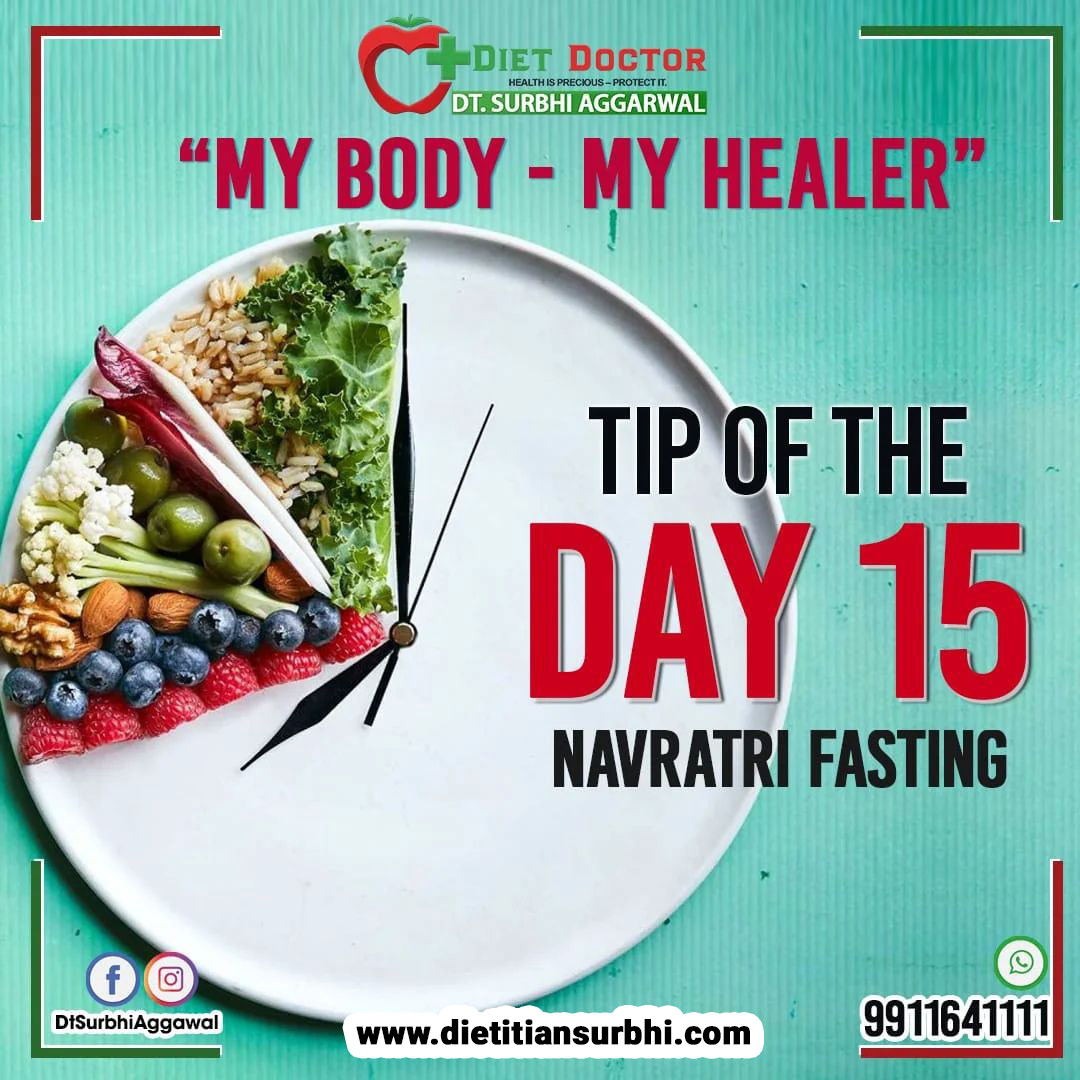
Navratri fasting is one of the most popular fasting practices in India. It is observed for nine days during the festival of Navratri, which honors Goddess Durga. During this period, many people abstain from grains, meat, and certain foods. The fasting rituals are believed to purify the body and mind, promoting a sense of spiritual growth.
6.2 Ekadashi Fasting
Ekadashi fasting is another common practice observed twice a month in the Hindu calendar. On Ekadashi, devotees abstain from eating food to purify the body and soul. It is believed that fasting on this day helps increase spiritual awareness and cleanse the body of toxins.
6.3 Other Popular Fasting Practices
There are numerous other fasting practices followed by Hindus, such as Karva Chauth, Maha Shivaratri, and more. Each of these fasting practices has its own significance and is believed to offer both spiritual and health benefits.
7. My Take on Fasting: A Healthy Metabolism Boost
From my experience, fasting is a great way to kickstart your metabolism. It allows the body to rest and repair itself, improving overall metabolic function. However, fasting should always be performed under expert guidance, especially if you are new to fasting or have any underlying health conditions. Consulting with a professional ensures that you fast safely and reap the full benefits of the practice.
8. How to Perform Fasting Safely
Fasting should be done carefully, especially if weight loss is your goal. Here’s my pro tip: If weight loss is your only concern, a once-a-week break, where you consume only light meals consisting of fruits and vegetables, can be a great way to give your digestive system a rest. However, for people with medical conditions or those on medication, it’s crucial to consult with a nutritional expert before attempting fasting or any extreme measures.
8.1 Pro Tip for Weight Loss: Once-a-Week Break
Taking a once-a-week break and focusing on a light meal plan with fruits and vegetables can help kickstart the weight loss process without depriving your body of essential nutrients.
8.2 Precautions to Take While Fasting
It is important to stay hydrated during fasting and not to overexert yourself. Fasting should be a gentle practice that aligns with your body’s natural rhythm, not a stressor.
9. When Should You Avoid Fasting?
While fasting can be beneficial for most individuals, people with certain medical conditions such as diabetes, low blood pressure, or eating disorders should avoid fasting without professional supervision. Pregnant and breastfeeding women should also consult a healthcare provider before attempting fasting.
10. Consulting a Nutritional Expert for Fasting
If you’re considering fasting for health benefits or weight loss, it’s important to consult a nutrition expert to ensure that you’re following the right approach. As the Best Dietician in Delhi, I offer expert guidance on fasting, detoxification, and creating personalized nutrition plans to help you achieve your health goals.
11. Conclusion
Fasting (Vrat or Upvasa) has been an integral part of Indian culture and has proven health benefits, including metabolism boosting, detoxification, weight loss, and improved digestion. It is an excellent way to reset your body and mind, but it should always be done under the guidance of a professional to ensure safety and effectiveness. If you’re interested in fasting as part of your health regimen, Dietitian Surbhi, the Best Dietician in Delhi, can guide you through the process and tailor a fasting plan that suits your individual needs.
Indian cultural practices & beliefs always had a great impact on my lifestyle as I used to do to Navratri Fasting along with my father, who is a great devotee of Goddess Durga..
He has been fasting since the time I was born.
As an adult I started to realise the importance of the Fasting Rituals & why are they connected to Gods.
So basically, during the change of seasons,our body needs some purgation & to destress it has to be worked on from the inside out.
My take on fasting/Detox/Upvasa is that it is a great way to kickstart your metabolism and is beneficial for everyone when performed under an expert guidance.
Pro tip: If Weight loss is your only concern, just go for once a week break in which you take light meals consisting of fruits & veggies only.
( People having any medical conditions should not opt for fasting/any extreme measures without consulting a Nutritional expert).