
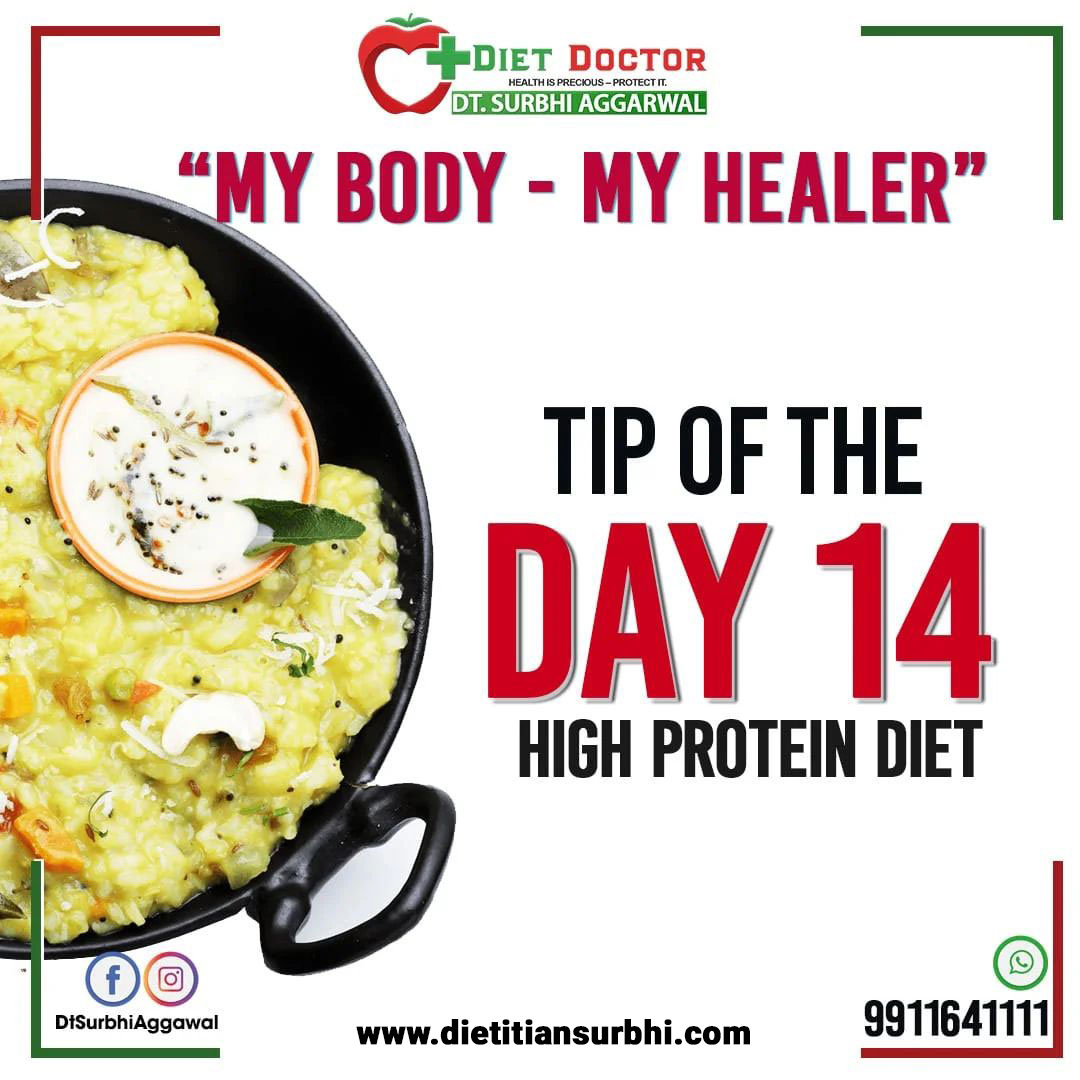
My Body My Healer – Tip #14: The Power of a High Protein Diet
Welcome back to the “My Body My Healer” series, where we believe that your body possesses an innate intelligence to repair and rejuvenate itself—it just needs the right fuel. I am Dietitian Surbhi, and I am passionate about guiding you toward a version of yourself that feels energetic, lighter, and deeply nourished.
In our journey so far, we have explored hydration, mindful eating, and gut health. Today, we arrive at Tip #14, a cornerstone of sustainable health: the High Protein Diet.
If you have been feeling sluggish, struggling with stubborn fat, or constantly battling hunger cravings, your body might be whispering (or shouting) for more protein. Let’s explore how this essential macronutrient acts as a building block for a stronger, leaner you.
The Science Behind Protein – Why It’s the Body’s Healer
Protein is not just for bodybuilders or athletes; it is the very foundation of life. Every cell in your body, from your hair strands to your enzymes, requires protein to function. When we talk about a high protein diet, we aren’t suggesting you eliminate other food groups. Instead, we focus on prioritizing protein to trigger the body’s natural healing and fat-burning mechanisms.
Restoring Your Inner Strength
When you consume adequate protein, your body breaks it down into amino acids. These amino acids repair tissue damage caused by daily wear and tear. Furthermore, protein boosts your metabolism through the thermic effect of food (TEF). Essentially, your body burns more calories digesting protein than it does digesting fats or carbs.
Whether you enjoy a traditional Indian diet plan with lentils and paneer, or you prefer eggs and lean chicken, increasing your intake helps stabilize blood sugar levels. This stability prevents the energy crashes that often lead to unhealthy snacking.
Benefits of a High Protein Diet for Weight Loss & Healing
Why do I, as a dietitian for weight loss, emphasize protein so much? Because it works. Adopting a protein-rich lifestyle transforms your relationship with food and your body composition.
Mastering Hunger and Satiety
One of the biggest hurdles in any weight loss program is hunger. Protein is incredibly satiating. By including a solid source of protein in your meals, you signal to your brain that you are full. Consequently, you naturally eat fewer calories without feeling deprived. This is the secret to sustainable fat loss—feeling satisfied, not starved.
Balancing Hormones and Boosting Mood
Did you know that protein supports the production of neurotransmitters like dopamine and serotonin? These “feel-good” chemicals regulate your mood and motivation. For women dealing with hormonal fluctuations, such as PCOS or thyroid issues, a personalized diet plan rich in protein can help manage insulin sensitivity and reduce hormonal acne.
Preserving Muscle While Shedding Fat
When you lower your calorie intake to lose weight, you risk losing muscle mass. A high protein intake ensures that you hold onto lean muscle, which keeps your metabolism firing high even at rest.
Daily Tip by Dietitian Surbhi
Here is your actionable advice for today to integrate into your life immediately.
Tip of the Day #14: The Power of the Mid-Meal Snack
Add one high-protein snack between your main meals.
Many of us go long hours between lunch and dinner, leading to intense cravings in the evening. To combat this, I recommend bridging the gap with a smart protein choice.
- For Vegetarians: Try a small bowl of roasted chana (chickpeas), a cup of Greek yogurt with berries, or a few cubes of sautéed paneer.
- For Non-Vegetarians: A boiled egg or a homemade chicken salad can be a perfect fix.
- On the Go: A plant-based protein smoothie or a handful of almonds and walnuts work wonders.
This simple habit stabilizes your insulin levels and keeps your metabolic fire burning throughout the day.
Take Charge of Your Health Today
Your body is ready to heal; it is simply waiting for you to provide the right tools. If you are confused about how much protein you need or how to incorporate it into a vegetarian lifestyle, I am here to help.
As a certified clinical nutritionist, I specialize in creating healthy eating tips and plans that fit your lifestyle, taste preferences, and health goals.
Get Your Personalized High Protein Diet Plan
Frequently Asked Questions (FAQs)
-
What are the top high-protein Indian foods?
India offers a vast array of protein sources. Excellent vegetarian options include paneer, tofu, soya chunks, lentils (dal), chickpeas (chana), kidney beans (rajma), and Greek yogurt. For non-vegetarians, eggs, chicken breast, and fish are top choices to include in an Indian diet plan.
-
How much protein should I eat daily for weight loss?
Generally, a safe guideline is 0.8 to 1.2 grams of protein per kilogram of body weight. However, this varies based on your activity level and health status. A dietitian for weight loss can calculate your exact requirement to maximize fat burning safely.
-
Can a vegetarian follow a high-protein diet?
Absolutely. Many people believe protein is only found in meat, but that is a myth. By combining different plant-based sources—like rice and dal or hummus and pita—you can get a complete amino acid profile. I design strictly vegetarian high-protein plans for many of my clients.
-
Why is protein important for women’s health?
Protein is vital for women as it supports bone density, hair and skin health, and hormonal balance. It is especially crucial during pregnancy, postpartum recovery, and menopause to maintain muscle mass and energy levels.
-
Does a high-protein diet help control PCOS or thyroid?
Yes, it is highly beneficial. Protein helps stabilize blood sugar and insulin levels, which is a key factor in managing PCOS. For thyroid patients, protein supports a healthy metabolism, combating the sluggishness often associated with hypothyroidism.
-
What are common mistakes people make in a high-protein diet?
The most common mistake is ignoring fiber and hydration. When you increase protein, you must also increase your water and vegetable intake to ensure smooth digestion. Another mistake is relying too heavily on processed protein bars rather than whole foods.
-
Should protein intake be adjusted if I work out regularly?
Yes. If you exercise frequently, your muscles require more protein for repair and recovery. A personalized diet plan will adjust your intake to support muscle growth and prevent fatigue.
-
Is it safe to take protein supplements?
Supplements like whey or plant protein can be convenient, but they should not replace real food. They are safe for most healthy adults when used correctly. However, it is best to consult with Dietitian Surbhi before starting any supplement to ensure it suits your body type.
-
How can Dietitian Surbhi design a personalized protein plan for me?
I start by analyzing your current body composition, blood work (if available), lifestyle, and dietary preferences. I then create a weight loss program that seamlessly integrates high-protein foods into your daily routine, ensuring you enjoy what you eat while seeing results.
-
How long does it take to see results from a high-protein diet?
Most clients report feeling more energetic and less bloated within the first week. Visible weight loss and muscle tone improvements typically become noticeable within 3 to 4 weeks of consistent adherence to the plan.
Ready to transform your health?
Let’s unlock the healing potential of your body together.
Book Your Consultation Now